
7 Warning Signs Your Robot Wrist Needs Repair | Robot Wrist Repair Services
The wrist joint is one of the most heavily used parts of an industrial robot. It’s where precision, torque, and speed all come together — and it’s often the first area to show signs of wear. When problems develop, ignoring them can lead to costly downtime, poor part quality, and even the need for full wrist replacement.
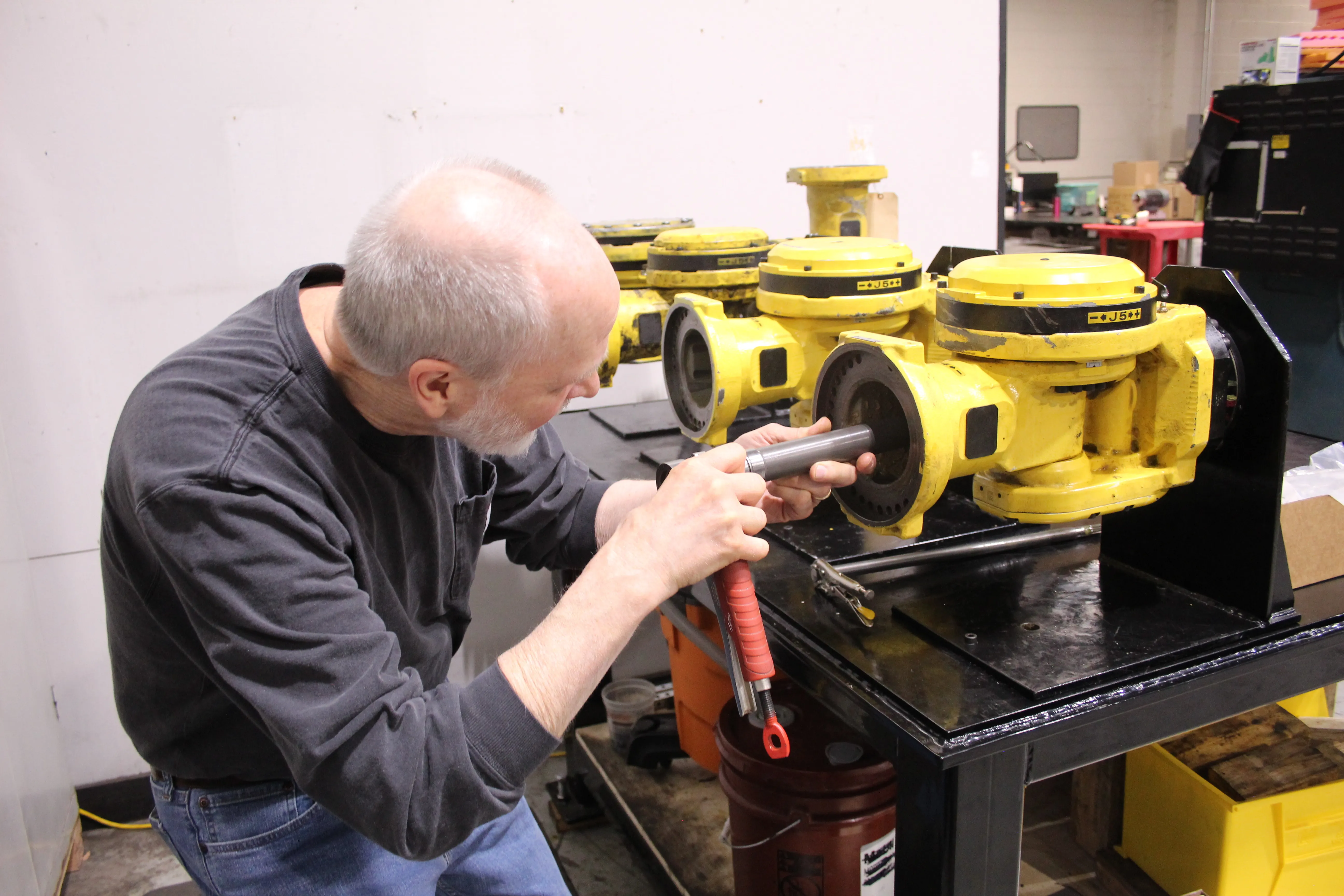
At T.I.E. Industrial, our robot wrist repair services help facilities restore performance across major brands like Fanuc, ABB, Motoman, and KUKA. Below, we break down the most common symptoms that signal it’s time to schedule a repair.
1. Excessive Backlash or Play
A wrist that feels loose or unstable during direction changes is showing backlash. Worn gears and bearings allow excess movement, making your robot less accurate and harder to control.
2. Unusual Noises
Grinding, clicking, or knocking sounds coming from the wrist joint are clear indicators of mechanical wear. These noises typically point to failing bearings or damaged gear teeth — and they tend to get worse fast.
3. Vibration or Shuddering
If your robot wrist vibrates under load or produces inconsistent movement, internal wear is likely. This symptom not only affects cycle times but can also damage tooling and compromise welds, paint paths, or assembly operations.
4. Loss of Accuracy and Repeatability
Industrial robots are built for precision. When the wrist begins drifting or failing to repeat programmed positions, worn internal components are often the cause. This symptom is especially costly in high-accuracy applications.
5. Increased Servo Load or Error Codes
A struggling wrist assembly forces servos to work harder. This shows up as higher current draw, torque overloads, or following errors on the controller. Treat these error codes as early warnings for wrist failure.
6. Overheating
A wrist running hotter than usual may have lubrication issues, worn bearings, or seal breakdown. Heat both signals and accelerates failure — acting quickly is key to preventing additional damage.
7. Restricted or Jerky Motion
Jerky movement, hesitation, or a limited range of motion often mean the wrist is in late-stage wear. At this point, repair becomes urgent to avoid unexpected downtime.
Common Causes of Robot Wrist Repair
Robot wrists typically fail due to:
Continuous gear and bearing wear under heavy loads.
Seal breakdown, leading to lubricant loss and overheating.
Environmental contamination from dust, coolant, or debris.
Payload abuse, where robots are operated beyond rated specs.
Knowing these causes can help maintenance teams schedule inspections and anticipate service needs before failure occurs.
The Cost of Ignoring Wrist Repair
Delaying robot wrist repair often results in:
Extended downtime from sudden breakdowns.
Higher repair costs due to advanced internal damage.
Complete wrist replacement if wear is too severe.
Product quality losses from poor accuracy leading up to failure.
Scheduling repair at the first sign of trouble minimizes costs and helps keep production on schedule.
Robot Wrist Repair Services from T.I.E. Industrial
With more than 30 years of experience in industrial robot repair, T.I.E. Industrial has the expertise and equipment to restore wrists to OEM standards. Our process includes:
Comprehensive inspection and diagnosis to pinpoint root causes.
Full rebuild to OEM specifications, including gears, bearings, and seals.
Rigorous in-house load testing to verify performance before shipment.
Warranty-backed service, so you can return to production with confidence.
We service major brands including Fanuc, ABB, Motoman, and KUKA, making us a one-stop resource for reliable robotic repair.
Proactive Maintenance Tips
To catch wrist issues early, maintenance teams should:
Add wrist checks to preventative maintenance routines.
Listen for noises, feel for play, and monitor for heat.
Review controller logs for torque overloads or current spikes.
Inspect seals and lubrication during scheduled downtime.
These small steps can make the difference between a repairable wrist and an avoidable replacement.
Request a Quote for Robot Wrist Repair
If your robot is showing signs of wrist failure, don’t wait until downtime stops production. T.I.E. Industrial provides robot wrist repair services designed to restore accuracy, reliability, and uptime.
Request a quote today:
https://www.robots.com/services/robot-wrist-repair