
Fanuc Robot Diagnostic Tools: An Overview for Novice Robot Techs
An ideal situation in any manufacturing environment would be for equipment, including robotic systems, to run without failure. This is a pipedream because just like our bodies need diagnostics tools like X-rays, robots require their own tools to evaluate problems that may occur with this advanced equipment.
Fanuc robots, known for their reliability and efficiency, are a staple in many production lines. However, like any machinery, they can encounter issues. Using specialized diagnostic tools is crucial for maintaining these robots and ensuring minimal downtime. This guide provides an overview of the diagnostic tools available for Fanuc robots, helping you understand how to use them effectively.
Importance of Diagnostic Tools for Fanuc Robots
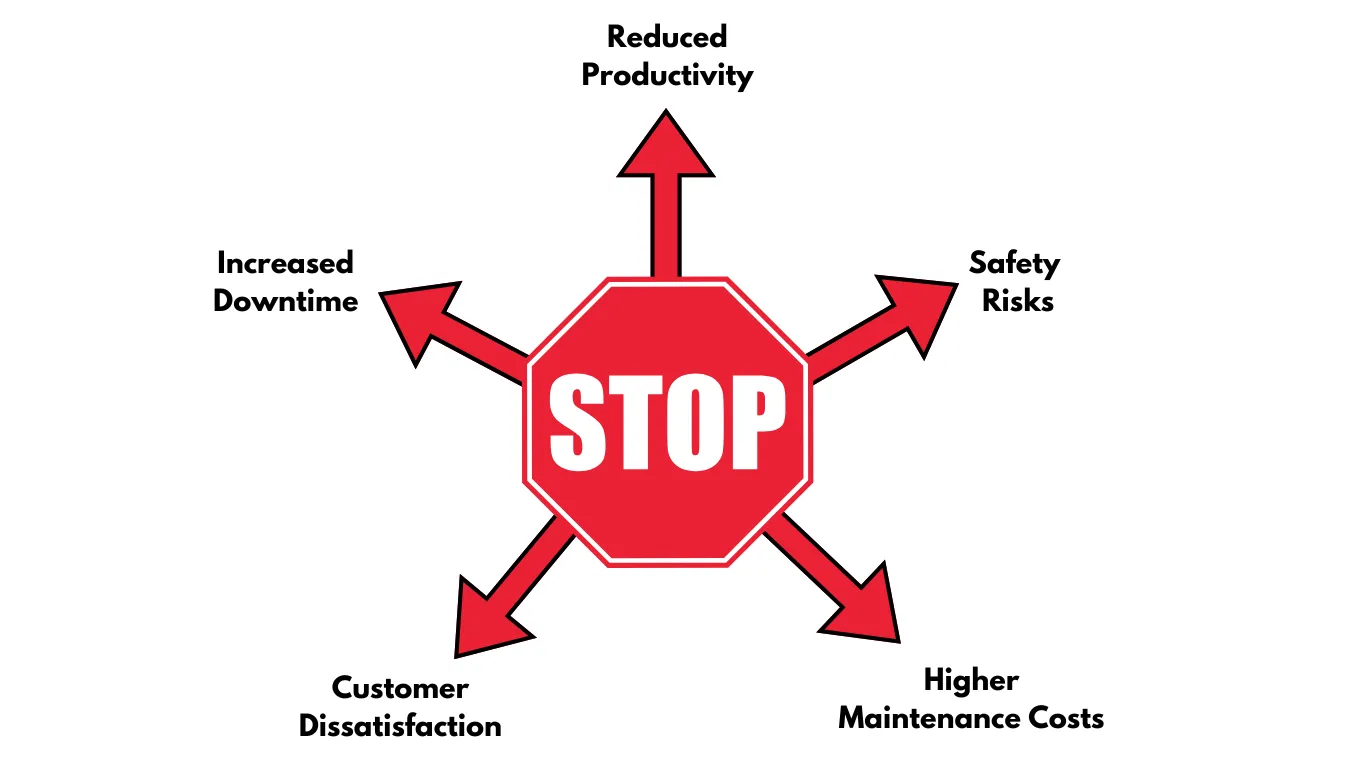
If diagnostic tools aren't used in robotic systems within manufacturing environments, issues can arise, leading to significant negative impacts on production. Here are some potential consequences:
- Increased Downtime:
- Faults and issues may go undetected until they cause system failures, resulting in unexpected downtime and production halts.
Reduced Productivity:
- Faults that aren't promptly identified and resolved can slow manufacturing, reducing overall productivity and output.
Higher Maintenance Costs:
- Reactive maintenance, where problems are fixed only after failures, is often more expensive than proactive maintenance using diagnostic tools.
Quality Issues:
- Undetected faults can lead to defects in the manufactured products, compromising quality and potentially increasing waste and rework.
Safety Risks:
- Malfunctioning robots can pose safety hazards to human workers, increasing the risk of accidents and injuries.
Shortened Equipment Lifespan:
- Persistent, undiagnosed issues can cause excessive wear and tear on robotic components, reducing lifespan.
Inefficient Resource Utilization:
- Without the ability to diagnose and optimize performance, robots may not operate at their full potential, leading to inefficient use of resources like energy and materials.
Customer Dissatisfaction:
- Delays and quality issues can lead to missed deadlines and subpar products, resulting in customer dissatisfaction and potential loss of business.
The absence of diagnostic tools can lead to numerous problems that affect every aspect of manufacturing operations, from efficiency and cost-effectiveness to safety and product quality.
Key Diagnostic Tools for Fanuc Robots
Fanuc offers a variety of diagnostic tools designed to help users identify, analyze, and resolve faults in their robotic systems. Here are some of the essential Fanuc diagnostic tools:
- FANUC iRVision:
- A built-in vision system for robots that assists with part detection, alignment, and quality inspection can also help diagnose vision-related faults.
FANUC ZDT (Zero Down Time):
- A predictive maintenance tool that monitors the health of your robots and anticipates potential issues before they cause downtime.
FANUC Robot Server:
- Allows for remote monitoring and diagnostics of Fanuc robots, facilitating quick identification and resolution of issues.
Alarm Codes and Diagnostics:
- Fanuc robots have extensive alarm codes and diagnostic messages that provide detailed information about specific faults and their potential causes.
Robot Control Software Diagnostics:
- Built-in diagnostic functions within the robot controller software allow users to check the status of various components and systems.
FANUC Servo Guide:
- A tool used to analyze servo data, including parameters like torque, speed, and position, to help diagnose issues related to servo motors and drives.
ROBOGUIDE Simulation Software:
- Allows offline programming and simulation, which can be used to troubleshoot and diagnose problems without impacting the production line.
Fieldbus and Network Diagnostics:
- Tools to diagnose communication issues between the robot and other network devices, such as PLCs and sensors.
Data Logger:
- Records and logs robot performance data, which can be analyzed to identify trends and potential issues.
Maintenance Manager:
- A software tool that helps schedule and manage regular maintenance tasks, ensuring that potential faults are addressed proactively.
These tools help ensure that Fanuc robotic systems remain operational and efficient, minimizing downtime and maximizing productivity in manufacturing environments.
Practical Steps for Using Diagnostic Tools
Step 1: Regular Monitoring and Data Collection
Use diagnostic tools to monitor your robots regularly. Collecting data on performance, sensor readings, and alarm codes can help you identify patterns and potential issues early.
Step 2: Conduct Routine Inspections
Perform routine inspections and check for signs of wear and tear, verify sensor accuracy, and ensure the software is current. Regular inspections can help you catch issues before they lead to major faults.
Step 3: Interpret Alarm Codes
Familiarize yourself with Fanuc alarm codes. When an alarm code appears, refer to recorded documentation to understand the issue and determine the best action. This can save valuable time in troubleshooting and repairs.
Step 4: Train Your Team
Ensure your team is trained in using diagnostic tools and interpreting alarm codes to empower their efficient fault handling.
Step 5: Implement a Diagnostic Plan
Develop a detailed diagnostic plan that outlines the steps for using diagnostic tools, interpreting data, and taking corrective action. A clear plan ensures a systematic approach to fault recovery and maintenance.
A Sound Diagnosis when Using the Right Tools
Using diagnostic tools is essential for maintaining the efficiency and reliability of your Fanuc robotic systems. These tools can help detect issues early, reduce downtime, and improve overall performance. Regular monitoring, routine inspections, and proper training are key to effective fault recovery. Incorporating these diagnostic tools and techniques into your maintenance strategy ensures your Fanuc robots operate at peak efficiency.
Contact T.I.E. Industrial today for more information on diagnostic tools and support services for your Fanuc robots.
Get in touch with us!
Related Articles
You might be also interested in:
- Maintenance & Service
Extending the Life of Your Industrial Robot with Proper Lubrication
- Maintenance & Service
Robotic Cables: Maintenance and Replacement
Robot cables are so important to the robot system as they provide the passage of information in and around the robot. The cables on a robot can be internal or external as they provide the connections between the controller, base, joints, and EOAT. It is important to conduct proper preventive maintenance to prolong their life and the service life of the robot.
- Maintenance & Service
Maintaining a Reconditioned Robot 101
A reconditioned robot system will provide the same level of productivity at a fraction of the cost. As long as you do proper maintenance on the system, your robot will last for decades, paying for itself over and over again.
- Maintenance & Service
Robot Maintenance: Grease and Robotic Gears
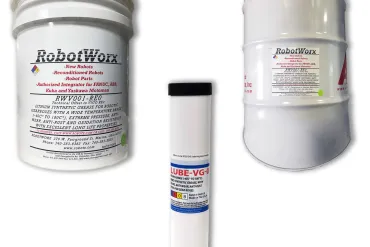
Robotic grease allows industrial robotic arms to function smoothly and help tackle all of the wear. It is important to understand how to properly care and how often to replace robot grease in order to prolong the service life of the system. Contact Robots.com today to learn more about robot maintenance and specifically the care of grease and robotic gears.
- Maintenance & Service
Common Issues for Torch Cables
Understanding how well welding torches perform or how it’s design stacks up against others in the industry is important. Looking at common issues and best practices for torch cables will help to bring greater quality and productivity.
- Maintenance & Service
Preventive Maintenance Video All About Robot Cables
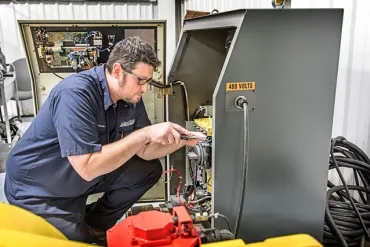
Keeping your robot cables in top shape helps to provide a longer service life on the automation system. Cables carry the information to and from the teach pendant, controller, and manipulator so they are really vital to the functionality of the robot. Following the procedures recommended by Robots.com will help to increase the cable life and avoid unnecessary and costly replacements.