
Diagnosing Robot Wrist Problems When It’s Time for Expert Repair
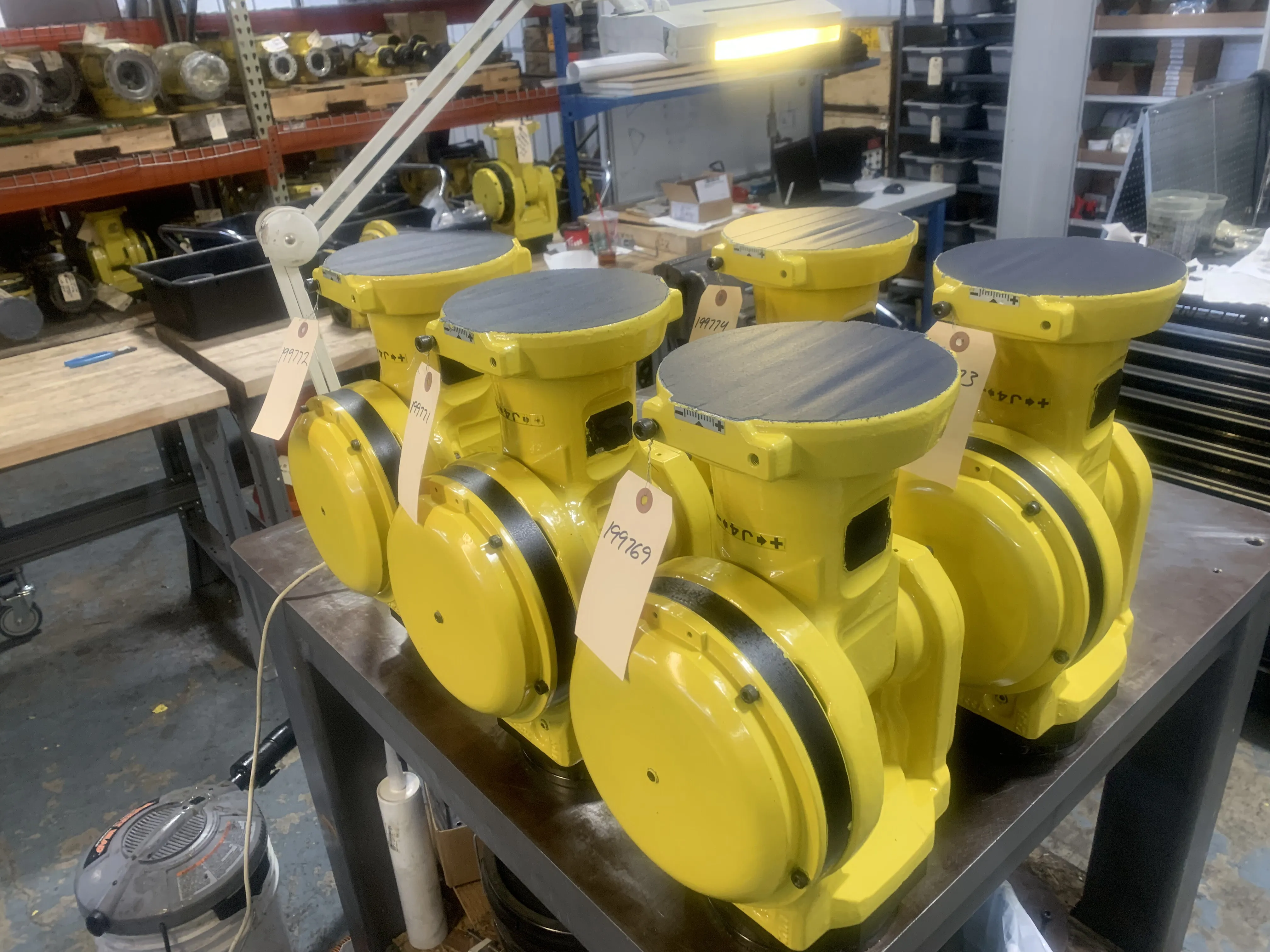
Keep Your Automation Equipment at Peak Efficiency with Proactive Wrist Maintenance
Uptime is the name of the game when discussing efficiency and productivity in industrial automation. When robotic equipment is running, operators are assured that work is getting done. Robotic arms—especially their intricate wrist mechanisms—are integral to precise and efficient operations across industries like automotive manufacturing, electronics assembly, metal fabrication, food processing, medical device design, and aerospace production.
A malfunctioning wrist joint can slow or shut down an entire production line, from the FANUC M-710iC/50 stacking automotive components to the Motoman MH50 executing high-speed material handling. Recognizing when your robot wrist needs repair or expert attention isn't just helpful—it's essential.
This guide is for factory floor operators and automation engineers who want to stay ahead of problems, ensure uninterrupted operation, and avoid costly downtime. Learn how to identify the warning signs, use effective diagnostic techniques, and decide when it’s time to turn to professionals like T.I.E. Industrial and Robots.com, your trusted source for refurbished robots, CNC machinery, and refurbished replacement parts.
What is a Robotic Wrist?
The wrist of a robot is the component at the end of the arm that provides rotational and angular movement, enabling the robot to orient tools or grippers in precise directions. It’s often made up of multiple axes (typically two or three), servo motors, gears, and sensors, allowing for complex maneuvers essential to tasks like welding, painting, assembling, and material handling.
For instance, in a 6-axis robot like the KUKA KR 60 HA, the last three axes function as the wrist, facilitating fine orientation required in high-precision applications.
Common Wrist Failure Symptoms You Shouldn’t Ignore
Wrist issues rarely appear out of nowhere. Smart operators know how to spot early symptoms before they snowball into bigger, costlier failures.
1. Inconsistent Movement or Jerky Motion
- Likely Causes: Worn gears or misaligned bearings.
- Solution: Replace worn mechanical parts or re-align components using manufacturer calibration protocols.
2. Excessive Heat in the Wrist Motor
- Likely Causes: Overloaded servos, poor ventilation, or friction due to lack of lubrication.
- Solution: Reduce load cycles, apply correct lubrication, inspect cooling systems, and assess torque settings.
3. Unusual Noises (Grinding or Clicking)
- Likely Causes: Damaged gear teeth or debris within the wrist assembly.
- Solution: Disassemble and inspect internal components, clean debris, and replace damaged gears.
4. Position Drift or Orientation Errors
- Likely Causes: Sensor malfunctions, encoder faults, or control system communication breakdowns.
- Solution: Calibrate or replace encoders/sensors; update firmware; verify wiring connections to control units.
5. Unexpected Stops or Fault Codes
- Likely Causes: Overcurrent in motors, sensor fault, or inconsistent power supply.
- Solution: Use diagnostic software to pinpoint faults; inspect power and cabling infrastructure.
Proven Diagnostic Methods to Identify Wrist Issues
Proper diagnosis requires more than guesswork. Here are key strategies you can implement on your shop floor:
- Visual and Manual Inspection. Check for physical wear, corrosion, or debris buildup. Test the wrist manually (if safe) for resistance or irregular motion.
- Sensor and Encoder Calibration. Use OEM diagnostic tools to validate sensor readings. Miscalibrated encoders can lead to serious drift issues in repeat operations.
- Firmware and Software Updates. Outdated software can cause erratic behavior or prevent optimal functioning. Ensure your robot's control systems are up to date.
Real-World Examples from Robots.com Inventory
These models, frequently purchased and serviced through Robots.com, are powerful and reliable—but like all machines, they need care:
- FANUC R-2000iB/165F: Heavy payload welding and handling robot often exposed to wrist strain due to repetitive, force-intensive movements.
- ABB IRB 6640-185/2.8: Used in foundry environments, prone to dust and particulate contamination affecting wrist bearings.
- Motoman HP20: Compact, agile, and often used in fast-paced assembly lines—minor wrist misalignments can cascade into product defects.
Industries Impacted by Wrist Failures
When robot wrists fail, the ripple effects are felt across the entire production ecosystem:
- Automotive: Robotic arms on body-in-white lines stop welding, delaying production cycles.
- Electronics: PCB placement becomes inaccurate, compromising circuit functionality.
- Packaging & Palletizing: Misaligned grippers reduce throughput and create shipping errors.
- Metal Fabrication: Improper tool angles affect cut accuracy and quality control.
- Pharmaceuticals: Malfunctioning robotic wrists in sterile environments disrupt precise dosing and handling, risking contamination.
- Food & Beverage: Inconsistent robotic motion during sorting and packing leads to damaged goods and compliance issues.
Professional Repairs vs. DIY Fixes: When to Call the Experts
While minor fixes and diagnostics can be handled in-house, there’s a threshold where expert intervention is the only smart move. Signs you should contact the specialists at Robots.com or T.I.E. Industrial:
- Complex motor or encoder replacement
- Recurrent wrist axis calibration failures
- Electrical faults inside the wrist casing
- Need for OEM-grade replacement parts or components
- Lost production hours due to recurring wrist faults
T.I.E. Industrial’s experts not only diagnose and repair, but they also offer complete replacement wrist assemblies, servo motors, and encoder parts. Plus, our refurbished robots come with warranties and full performance testing—offering cost-effective alternatives to buying new.
Keep Production Running with Confidence
Diagnosing wrist problems early can save thousands in downtime and repairs. Equip your team with the proper knowledge, tools, and partners to ensure your automation systems stay sharp and reliable. From automotive welding to pick-and-place operations, the robot wrist is where precision lives—and where failure starts when ignored.
Need Expert Robot Wrist Repairs or High-Performance Refurbished Robots? Trust T.I.E. Industrial and Robots.com—Your Automation Powerhouse
Whether you're running a FANUC M-16iB, a KUKA KR10 R1100, or an ABB IRB 2600, we’ve got the diagnostic expertise, OEM parts, and refurbished units to keep your line moving. Don’t wait for failure—contact us now to schedule your robot evaluation or wrist repair service, shop thousands of in-stock parts, or request a quote for a fully refurbished industrial robot built to perform like new.
Contact Us Today!
Related Articles
You might be also interested in:
- Robotics Applications
- Featured
Latest Advancements in Material Cutting Robotics
Read about the latest technological advancements in robotic material cutting.
- Innovation & Trends
- Featured
Emerging 3D Vision Technologies for Industrial Robots
Learn about the emerging 3D vision technology that businesses are using for industrial robot applications.

- Innovation & Trends
- Featured
Most Popular Industrial Robotic Applications for 2021 and Projections
Explore the most popular application trends of 2021 and what to expect in the future.
- Robotics Applications
- Featured
MAG Welding Defined
Automating your MAG welding process will help to bring faster and more consistent cycle times. A robotic MAG welder will also help to improve the weld quality, helping your customer's become more satisfied with the final product. If you are interested in integrating a new or refurbished robotic system, contact Robots.com experts today.
- Manufacturers
- Featured
AccuFast II Tackles Seams Quickly and with Quality
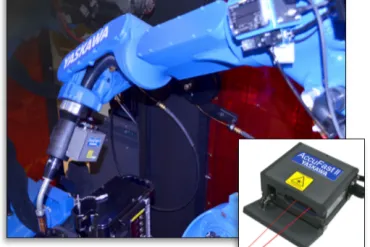
Motoman provides users with add-on features to help enhance the seam finding for their automated welding line. AccuFast II offers improved sensor capabilities that provide even higher amounts of reliability. It provides more readings for a wider range of materials and angles not formerly feasible.
- Robotics Applications
- Featured
Flexible Manufacturing Lines
Each year the automation industry continues to innovate and bring solutions that will improve the productivity, flexibility, and efficiency on a wide range of production lines. This is seen with the flexible manufacturing that enables a robot to work on different types of products in the same workcell. Flexible manufacturing lines help to provide an increase in productivity and manufacturing volume.