
Being a robot technician
Robot technicians are important in a world that is quickly becoming more automated. The manufacturing field is being used in a variety of applications from surgery to battlefield. Robots.com has over 35 years of experience and will help improve the overall productivity on your production line.
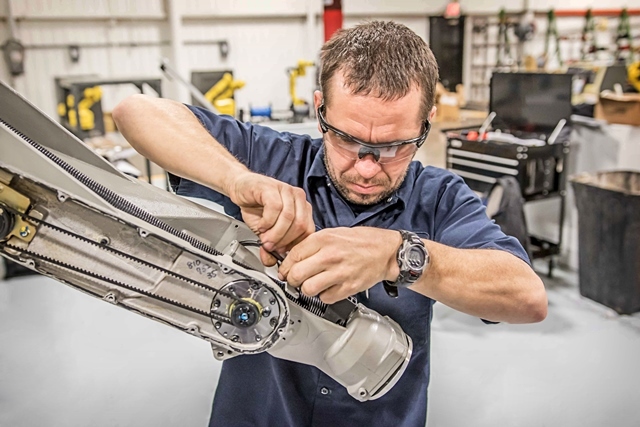
With the economy moving up and down these days, and the job market not being what it was during previous generations, it is important that students today learn as many marketable skills as possible, especially if they want to go into robotics. One job that is on the rise is the need for robotics technicians, because of all of the robots being used in the manufacturing field. If a student wants to become a robot technician, there are a few steps they need to take.
But first, what does a robotics technician do? There are several fields, not just manufacturing, that need robotics technicians today. These technicians can test medical robots that are used for surgery or military robots that are used on the battlefield. They can also create recreational robots for the entertainment industry. But many, like the technicians that work at Robots.com, are determined to keep industrial robots in tip top shape day after day.
The first step to becoming a robot technician is training. Usually, a manufacturer or integrator likes a robot technician to have at least an associate’s degree in either electrical engineering technology or mechanical engineering technology. However, many manufacturers and integrators encourage their employees to take on the extra courses needed to graduate with a bachelor’s degree, which opens even more doors for technicians. With a bachelor’s degree, these technicians can become robotics engineers, mechanical engineers, and even electricians – all marketable professions in this day and age.
So, who makes the best technicians? Those people who have good mechanical skills, good hand-eye coordination, dexterity and the ability to think analytically, according to an article from Science Buddies. Candidates should also be good at physics, geometry, algebra and computer sciences – and these classes should be taken at a high school level prior to college if a student is interested in being a robotics technician.
Where do technicians work? Well, they can work for robotics manufacturers like Fanuc, KUKA, ABB, Universal Robots, and Motoman. They can work for any manufacturing company that uses robotic automation on their production lines. They can also work for robotics integrators like Robots.com. Robots.com, a company that has been around for more than 20 years, is a robotics integrator for all the top robotics companies listed above. Our technicians work with customers to design a robotics system fit for their shop, and then build that system. They also train those customers that come in to learn how to operate their systems.
If you are interested in learning more, contact Robots.com online or at 877-762-6881.
Related Articles
You might be also interested in:
- Training & Education
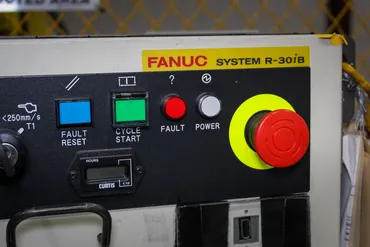
How to Operate Fanuc Robots: Programming & Interface Guide
- Training & Education
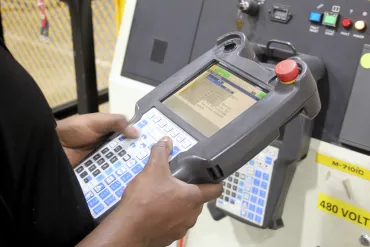
Training Your Team: Learning about Teach Pendant Operations
- Training & Education
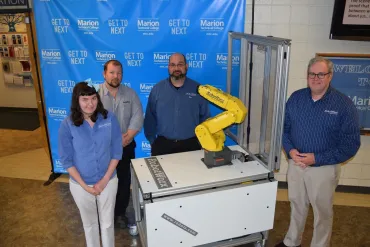
Mobile Training Lab By Marion Technical College
Robots.com has partnered with Marion Technical College to create Mobile Training Lab. This lab is intended to provide a flexible option for manufacturers to train employees or students without taking any systems offline. This Mobile Training Lab has computers, CNC, and a Fanuc robot that can properly help prepare the workers of the future for their automation jobs.
- Training & Education
FABTECH -An Event You Don't Want to Miss!
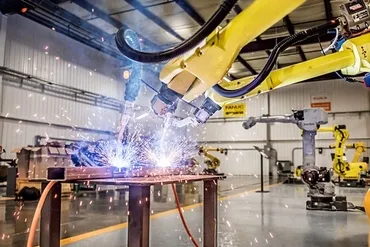
FABTECH brings live product demonstrations, expert education programs, and unlimited networking opportunities to businesses that seek a competitive edge. FABTECH has exhibits of the latest technologies and innovations in equipment, products and services for people to experience first hand. Automation is quickly advancing, so bringing the latest and greatest to FABTECH provides the opportunities for current manufacturer's to upgrade their arc welding, assembly, cutting, etc. applications.
- Training & Education
Education, Training, and Awareness are Mandatory for Industrial Robot Safety
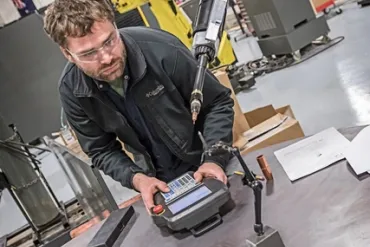
Industrial robot safety has a pretty impressive record due to the excellent work of RIA who has provided resources and educated robot owners. It is important for robot workers to be properly educated and well-trained on any robotic system that is integrated onto a production floor. Contact Robots.com experts today to get started with your integration and training process.
- Training & Education
Hands-On Robotic Experience for Engineering Students at Wilkes University – Wilkes-Barre, PA
Robotics will continue to pop up in industries across the globe, and so the need for people to truly learn and understand them will keep growing. This is why it is important to have hands-on robotic experience as seen at Wilkes University. A robotics lab will help students better understand robots and be able to work with them in the future.
Let's talk!
Request your quick quote today.