
Protect Your Productivity: Common Signs of Robot Wrist Wear
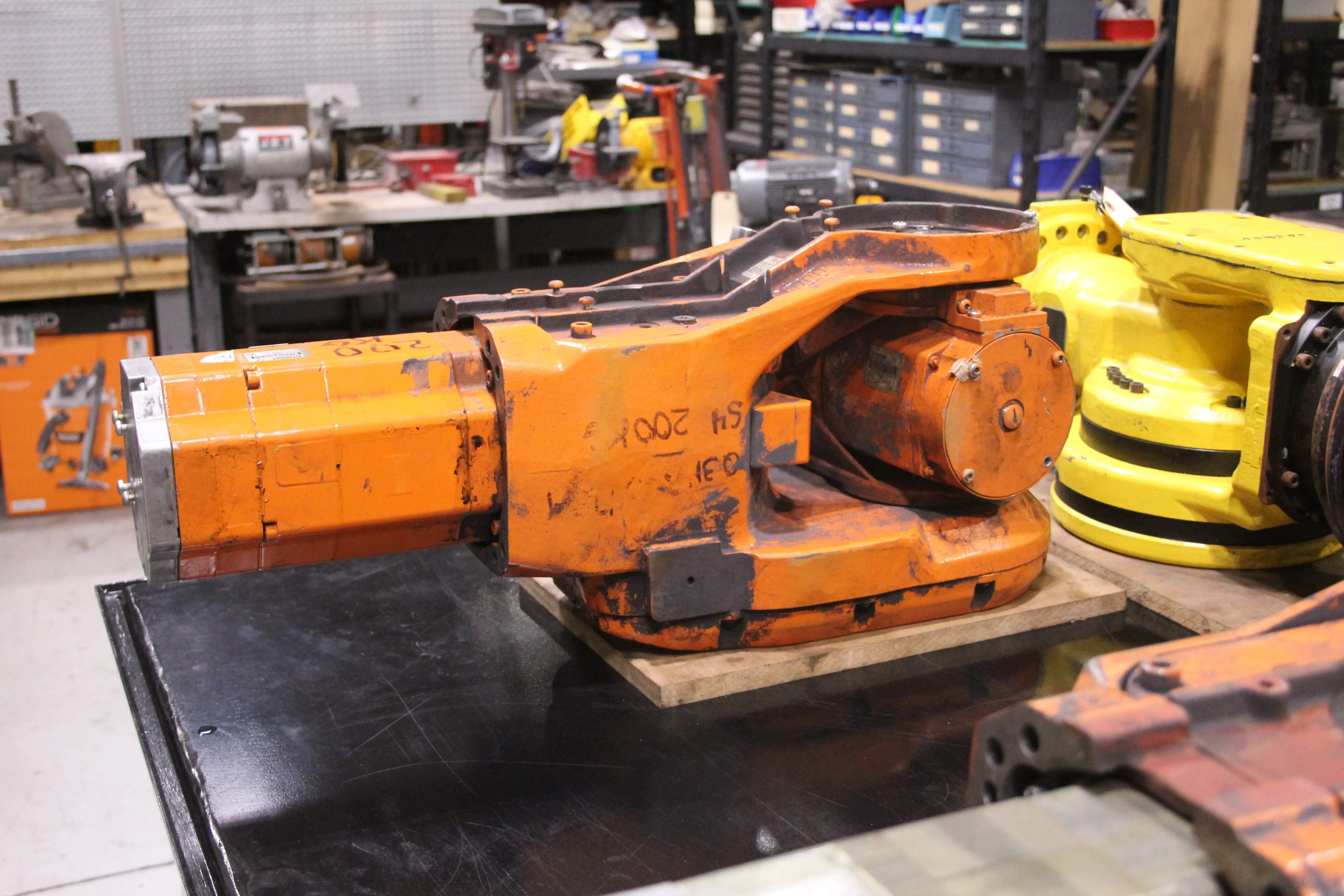
Manufacturers know that industrial robots are the lifeblood of precision, speed, and productivity. Whether assembling circuit boards in the electronics industry, welding auto frames on automotive lines, or stacking pallets in food processing, robots play a critical role in meeting production goals. However, even the most advanced systems can falter—especially at one of the most vital and vulnerable components: the robot wrist.
A faulty wrist joint can bring operations to a grinding halt, impacting quality, efficiency, and, ultimately, your bottom line. That's why diagnosing wrist issues early and accurately is essential to preventing catastrophic problems. At Robots.com, a division of T.I.E. Industrial, we specialize in refurbished robots, CNC machine replacement parts, and expert guidance to help manufacturers get the most from their robotic assets. This post will walk you through how to spot wrist problems, what they mean, and when to call an expert for repairs.
What Is a Robot Wrist?
The robot wrist is the part of an industrial robot arm responsible for orientation and fine manipulation. It generally includes several axes of motion—typically the last three that allow the end effector (e.g., gripper, welder, or tool) to tilt, rotate, and swivel with high precision.
Wrist joints endure a high degree of wear due to their frequent, complex movements and direct interaction with tooling. Because of this, they’re especially prone to failure if not properly maintained.
Common Symptoms of Robot Wrist Problems
Catching signs of wrist failure early can save significant money in downtime and repairs. Look out for these red flags:
1. Unusual Noises
Grinding, clicking, or buzzing sounds during operation could indicate gear wear, bearing failure, or motor misalignment.
2. Inconsistent Motion or Jittering
Hesitations or stuttering during wrist movement can result from calibration drift, sensor issues, or electrical faults.
3. Loss of Accuracy
When your robot can't hit target positions accurately, it might be due to worn-out wrist joints or faulty encoders.
4. Excessive Heat or Vibration
Overheating or shaking may signal motor stress, friction from poor lubrication, or internal mechanical wear.
5. Axis Limit Errors
Frequent controller warnings or axis errors could result from obstructed movement, binding gears, or bad joint position feedback.
These issues, if left unaddressed, can halt production or lead to poor-quality output—especially critical in precision-driven industries like aerospace, electronics, medical device manufacturing, and automotive assembly.
Diagnosis: Tools and Techniques for Wrist Trouble
Diagnosing a robot wrist issue isn't guesswork—it’s a systematic process. Here’s how skilled technicians isolate the problem:
- Visual and Manual Inspection. A thorough physical check can reveal wear marks, loose cables, or oil leaks. Technicians often look for external damage or internal components that are misaligned.
- Lubrication Review. Poor lubrication leads to increased friction, wear, and eventual joint failure. The wrist’s gear and bearing systems must be routinely lubricated per OEM standards.
- Sensor and Encoder Testing. Wrist movements depend heavily on position and torque feedback sensors. A failing sensor can cause inaccurate movement or complete failure of certain axes.
- Motor Diagnostics. Using OEM diagnostic tools like FANUC's Servo Guide, technicians can analyze motor currents, speeds, and torques for signs of distress.
- Control System Communication. Issues between the robot wrist and the controller can stem from poor signal integrity or outdated firmware.
- Predictive Analytics. Advanced factories use predictive maintenance algorithms to monitor wrist behavior in real time, simulating different stress loads and predicting failures before they occur.
Common Wrist Component Failures & Solutions
Here’s a breakdown of frequent wrist issues and how they’re typically resolved:
Problem | Cause | Solution |
Gear backlash or skipping | Worn or misaligned gears | Replace or realign wrist gear assembly |
Joint overcurrent fault | Motor overload or mechanical binding | Inspect motor, recalibrate axis, or replace wrist motor |
Inaccurate positioning | Encoder failure or bad sensor feedback | Replace encoders or recalibrate sensor systems |
Thermal shutdowns | Inadequate cooling or failing motor | Improve cooling or install new servo motor |
Axis drift or deviation | Firmware issues or loose wiring | Update software and inspect electrical connections |
Maintenance Logs: A Technician’s Best Friend
Manufacturers often underestimate the power of detailed maintenance records. Keeping a log of:
- Visual inspections
- Sensor calibrations
- Part replacements
- Firmware updates
- Fault history
...can dramatically reduce the time it takes to diagnose and fix future issues. Implementing fault reporting systems can also help detect patterns in failures across your robot fleet.
When Should You Call an Expert?
While routine maintenance can prevent many wrist issues, certain problems require the knowledge and tools of expert technicians. It’s time to talk to experts when:
- Axis faults recur despite resets or recalibration
- The robot shows repeated loss of repeatability
- Your in-house team lacks access to OEM tools or replacement parts
- The wrist requires full disassembly or gear replacement
Our team at Robots.com has experience with FANUC, ABB, KUKA, Motoman, and more and supply refurbished robots and replacement parts as well as offering expert diagnostics and repairs.
The Industries Most at Risk from Wrist Failures
Robot wrist problems can impact virtually every industry using automation, but especially:
- Automotive: Spot welding, paint spraying, and part handling rely on precise wrist motion.
- Electronics: Pick-and-place operations require ultra-precise positioning.
- Packaging: Palletizing robots suffer downtime from wrist misalignments.
- Medical Device Manufacturing: Assembly robots need pinpoint wrist accuracy.
Wrist failure means costly downtime, missed deadlines, and potential product defects—none of which you can afford.
Keep Your Factory at Peak Efficiency with Robots.com
Diagnosing and repairing wrist problems requires more than guesswork—it demands expertise, reliable parts, and fast service. That’s where Robots.com, a division of T.I.E. Industrial, leads the way. We offer thousands of refurbished robots in stock, expert technical support and repair services, and fast shipping and custom robotic solutions.
Whether you operate one robot or a substantial fleet, we’ll help you maximize uptime and keep production moving. Don't let a faulty wrist slow down your line—trust the experts at Robots.com to get you back up and running.
Ready to diagnose, repair, or upgrade your robot? Contact Robots.com today or browse our extensive inventory of parts and refurbished robots.
Power your production with precision—choose Robots.com
Request Your Quick Quote Today!
Related Articles
You might be also interested in:
- Robotics Applications
- Featured
Latest Advancements in Material Cutting Robotics
Read about the latest technological advancements in robotic material cutting.
- Innovation & Trends
- Featured
Emerging 3D Vision Technologies for Industrial Robots
Learn about the emerging 3D vision technology that businesses are using for industrial robot applications.

- Innovation & Trends
- Featured
Most Popular Industrial Robotic Applications for 2021 and Projections
Explore the most popular application trends of 2021 and what to expect in the future.
- Robotics Applications
- Featured
MAG Welding Defined
Automating your MAG welding process will help to bring faster and more consistent cycle times. A robotic MAG welder will also help to improve the weld quality, helping your customer's become more satisfied with the final product. If you are interested in integrating a new or refurbished robotic system, contact Robots.com experts today.
- Manufacturers
- Featured
AccuFast II Tackles Seams Quickly and with Quality
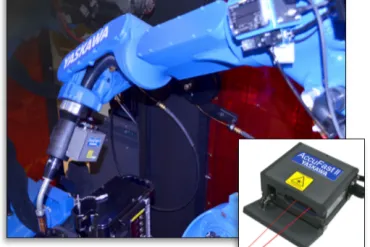
Motoman provides users with add-on features to help enhance the seam finding for their automated welding line. AccuFast II offers improved sensor capabilities that provide even higher amounts of reliability. It provides more readings for a wider range of materials and angles not formerly feasible.
- Robotics Applications
- Featured
Flexible Manufacturing Lines
Each year the automation industry continues to innovate and bring solutions that will improve the productivity, flexibility, and efficiency on a wide range of production lines. This is seen with the flexible manufacturing that enables a robot to work on different types of products in the same workcell. Flexible manufacturing lines help to provide an increase in productivity and manufacturing volume.