
Sparks of Innovation: How Robotic Automation Is Forging the Future of Metal Fabrication
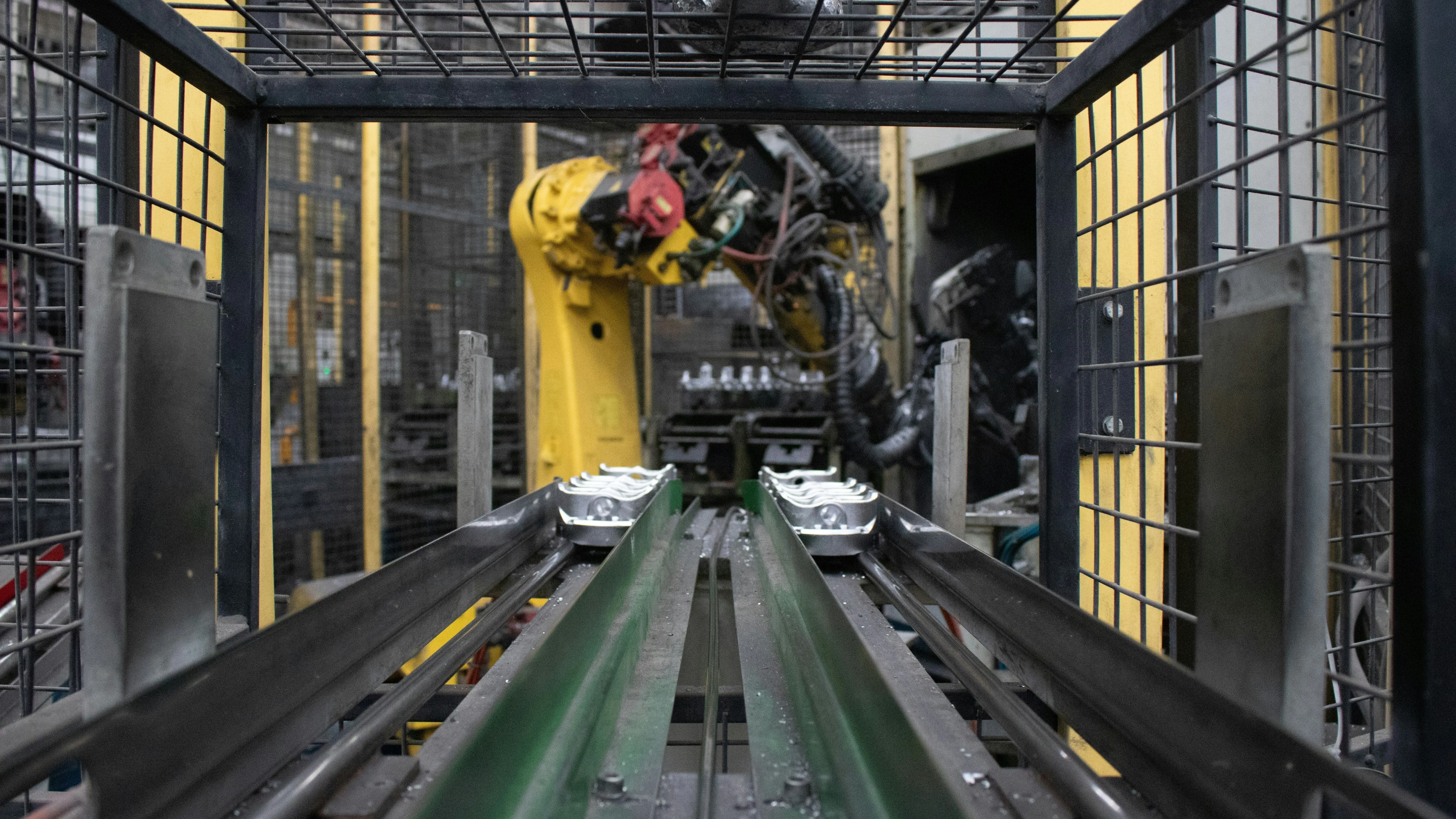
Metal fabrication is entering a bold new era—one shaped by intelligence, precision, and automation. As the industry contends with growing demands for speed, accuracy, and adaptability, robotic systems are becoming essential tools on the shop floor. No longer confined to large-scale production lines, these technologies are now accessible to small and mid-sized operations looking to stay competitive. Robotics are redefining what's possible in fabrication, from high-precision cutting and automated welding to flexible material handling and real-time quality checks.
With skilled labor in short supply and customer expectations rising, robotic automation offers more than just efficiency—it delivers the consistency, scalability, and resilience modern manufacturers need. Whether upgrading an existing workflow or starting fresh with smart systems, the path forward in metal fabrication is unmistakably automated.
Defining the Metal Fabrication Robot Ecosystem
Robotic automation in metal fabrication refers to integrating advanced, programmable robotic systems to perform tasks traditionally handled by skilled machinists and manual laborers. These tasks span a broad range of processes, including precision cutting, welding, drilling, deburring, material handling, part inspection, and even finishing operations. As demands for tighter tolerances, faster cycle times, and greater repeatability grow, robotics provide the reliability and efficiency modern metal shops require.
The robotic systems in metal fabrication include:
- Articulated Robots: These highly flexible, multi-axis robotic arms are staples in fabrication environments. With six or more joints, they excel at complex tasks such as arc welding, plasma cutting, thermal spraying, and grinding.
- SCARA Robots (Selective Compliance Articulated Robot Arms): SCARA robots are well-suited for tasks requiring high precision and rapid cycle times, such as light-duty assembly, screwdriving, or pick-and-place operations with small metal components.
- Collaborative Robots (Cobots): Cobots work alongside human operators without extensive guarding. They are often deployed for machine tending, deburring, light welding, or quality control, offering flexibility and quick redeployment.
- Mobile Robots (Autonomous Mobile Robots-AMRs and Automated Guided Vehicles-AGVs): These robots autonomously navigate shop floors using sensors, cameras, or magnetic tracks to transport raw materials, tools, consumables, and finished parts between workstations.
Together, these robotic systems form an interconnected ecosystem that supports smarter, safer, and more agile metal fabrication operations—enabling shops of all sizes to improve throughput, consistency, and competitiveness in a challenging industrial landscape.
Real-World Applications: Where Robots Are Already Welding the Gap
Robots are reshaping the metalworking environment with high-impact applications:
- Robotic Welding: MIG, TIG, spot welding, and laser welding robots deliver unmatched consistency, strength, and speed in joint formation.
- Laser and Plasma Cutting: Robots equipped with CNC-guided cutting tools handle complex shapes and thick materials with micron-level precision.
- Material Handling & Machine Tending: Automated arms load/unload heavy or dangerous materials into CNC lathes, presses, or mills—reducing injury risks.
- Grinding and Polishing: Robots maintain uniform pressure and finish quality, which is especially important in high-spec industries like aerospace or automotive.
- Bending and Punching: Robots work with press brakes and turret punch presses to perform intricate sheet metal operations.
- Inspection and Quality Control: Vision systems and sensors help detect defects early, minimizing rework and scrap.
Precision at Scale: Why the Metal Industry Needs Robotic Automation Now
1. Labor Gaps and Expertise Shortages
Skilled welders and machinists are in short supply, and training takes time. Robots can handle repetitive or hazardous work, freeing workers for more complex tasks.
2. Demand for Mass Customization
Clients often want short runs of custom parts. Robots offer fast reprogramming with minimal tooling changeover.
3. Safety and Compliance
Working with hot metal, sharp tools, and heavy loads poses risks. Robots can help ensure OSHA-compliant environments, reducing workplace injuries.
4. Increased Throughput
Robots deliver 24/7 production, which is especially crucial for tight-deadline or high-volume jobs.
Emerging Trends: What’s New in Metalworking Automation?
AI-Powered Fabrication
Robots now integrate with AI and machine learning, adapting to material inconsistencies and optimizing workflows in real time.
Smart Manufacturing & Predictive Analytics
Sensors on robotic arms collect real-time data. This Industrial IoT (IIoT) connectivity allows shop managers to predict equipment failures, schedule proactive maintenance, and reduce costly downtime.
Collaborative Robots (Cobots)
They work alongside humans to assist in light welding, assembly, or inspection. They're easy to program, highly adaptable, and come with built-in safety features that enable rapid deployment.
Mobile Robotics for Logistics
Autonomous Mobile Robots (AMRs) and Automated Guided Vehicles (AGVs). These mobile systems use differential or omnidirectional drive mechanisms to navigate tight aisles and streamline raw material delivery and product shipping.
Flexible Manufacturing Systems (FMS)
Robotic systems are being designed to switch between part types quickly. With modular tooling, AI integration, and cloud-based control systems, robots can pivot between jobs with minimal downtime.
Metalworking with Intelligence: Benefits That Deliver ROI
Here’s how robotic automation brings measurable value to your operation:
- Lower Cost Per Part: Robots deliver high output with minimal variable costs.
- Consistent Product Quality: Robots produce identical results across thousands of parts.
- Faster Lead Times: High-speed machining, cutting, and welding mean faster order fulfillment.
- Workplace Safety: Reduce exposure to heat, dust, sparks, and sharp tools.
- Competitive Advantage: Automation improves your agility in bidding on high-complexity or high-volume jobs.
Why Metal Fabricators Choose T.I.E. Industrial
When you’re ready to upgrade your fabrication game, T.I.E. Industrial is your best-in-class automation partner. We specialize in refurbished robots and replacement parts, as well as Fanuc CNC training. Our experts can guide you through every step—from selection to integration to maintenance.
Power Up Your Shop Floor with T.I.E. Industrial
Why settle for yesterday’s technology when tomorrow’s tools are within reach? At T.I.E. Industrial, we combine deep industry expertise with a large inventory of refurbished robots and parts. Whether you need a complete automation solution or just want expert advice on streamlining a single process, we deliver the spark that keeps your metal operation forging ahead.
Contact us today to get expert guidance, superior equipment, and unmatched support—because your next breakthrough is one robot away.
Contact Us Today!
Related Articles
You might be also interested in:
- Robotics Applications
- Featured
Latest Advancements in Material Cutting Robotics
Read about the latest technological advancements in robotic material cutting.
- Innovation & Trends
- Featured
Emerging 3D Vision Technologies for Industrial Robots
Learn about the emerging 3D vision technology that businesses are using for industrial robot applications.
- Innovation & Trends
- Featured
Most Popular Industrial Robotic Applications for 2021 and Projections
Explore the most popular application trends of 2021 and what to expect in the future.
- Robotics Applications
- Featured
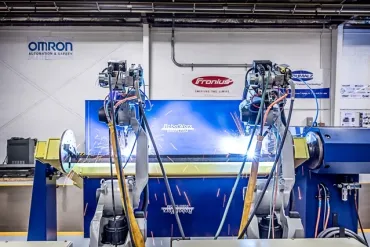
MAG Welding Defined
Automating your MAG welding process will help to bring faster and more consistent cycle times. A robotic MAG welder will also help to improve the weld quality, helping your customer's become more satisfied with the final product. If you are interested in integrating a new or refurbished robotic system, contact Robots.com experts today.
- Manufacturers
- Featured
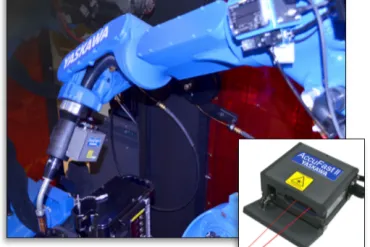
AccuFast II Tackles Seams Quickly and with Quality
Motoman provides users with add-on features to help enhance the seam finding for their automated welding line. AccuFast II offers improved sensor capabilities that provide even higher amounts of reliability. It provides more readings for a wider range of materials and angles not formerly feasible.
- Robotics Applications
- Featured
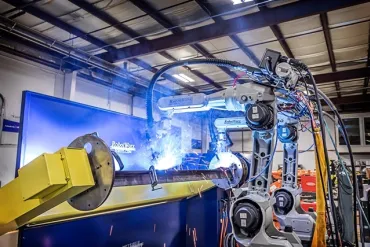
Flexible Manufacturing Lines
Each year the automation industry continues to innovate and bring solutions that will improve the productivity, flexibility, and efficiency on a wide range of production lines. This is seen with the flexible manufacturing that enables a robot to work on different types of products in the same workcell. Flexible manufacturing lines help to provide an increase in productivity and manufacturing volume.