
Advantages of Industrial Automation with Robots
Industrial robots are revolutionizing the manufacturing industry by making production faster, safer, and more efficient. They can handle tasks like welding, material handling, palletizing, and cutting with precision, which improves production quality, reduces waste, and delivers consistent results. As businesses worldwide adopt automation to stay competitive, now is the perfect time to explore how robotics can benefit your company.

For over 35 years, the experts at Robots.com have provided top-tier customer service, working closely with clients to understand their specific production needs and seamlessly integrate robotic systems into their operations. Contact our team today to start your automation journey and keep your business thriving on a global scale.
The Rise of Industrial Robotics
Why Robots Are Taking Over the World of Manufacturing
The era of Industry 4.0, also known as the Fourth Industrial Revolution, is here. It builds on previous technology advances like water/steam power, electricity, and electronics by incorporating “smart” manufacturing and automation into production facilities.
Today, manufacturing companies are deploying robotics technology more than ever. As a result, robots are exponentially being incorporated into manufacturing processes, bringing with them incredible precision, productivity, and flexibility.
Plus, many factories are opting to incorporate collaborative robots (cobots) that work hand-in-hand with human workers, creating a safer working environment and ensuring smooth production processes.
Robotics by the Numbers
The global market for robotic systems was valued at $21.83 billion in 2019 and is projected to reach $66.48 billion by 2027, driven by advancements in automation, artificial intelligence, and increasing demand for efficient manufacturing. With rapid growth in industries like healthcare, logistics, and manufacturing, now is the perfect time to embrace the use of robots and stay ahead in an evolving market.
12 Advantages of Using Robots in Industrial Automation
When it comes to production, the benefits of robots are vast, especially in the industrial manufacturing industry. That’s why it’s critical for manufacturing companies to use robotic automation to stay competitive and meet growing production demands.
The 12 key advantages of robots in industrial automation include:
1. Higher Quality & Precision
No one likes purchasing a product only to be disappointed by its poor quality. Robots ensure that every product is made exactly the same way every single time. Unlike human workers, robots don’t get tired or distracted, which means they can maintain precision across thousands or even millions of products. This results in fewer defects, less wasted material, and more customer trust, making robotic automation an investment that pays off in dividends.
2. Reliable and Consistent Performance
One of the biggest advantages of robots is their ability to perform the same task with perfect accuracy over and over again. Every robot from Robots.com goes through strict testing to ensure it meets exacting repeatability standards. This consistency is especially valuable in industries where even a small mistake can be costly. With robots, manufacturers can focus on scaling their business, knowing that the quality of their products won’t suffer.
3. Versatility in Robotic Applications
Industrial robots are designed to adapt. They can weld, assemble, package, palletize, cut, and more, all with minimal downtime needed for reprogramming. Unlike traditional machinery, which is often built for just one task, a single robotic system can handle multiple applications across different production lines. This flexibility enables businesses to pivot quickly, meet changing market demands, and maximize their automation investment.
4. Less Waste, More Savings
Wasted materials and production mistakes can add up quickly, but robots help manufacturers cut costs by working with precision and consistency. They use less welding wire, apply just the right amount of paint, and cut closer to the edge, reducing scrap and unnecessary waste at every stage of the process. Automation also supports sustainable production by minimizing resource consumption, helping businesses lower their environmental impact. With fewer human errors and eco-friendly robots, businesses save money on both materials and time, resulting in more profitability.
5. Faster Production Speeds
Speed matters in manufacturing and robots make it possible to work at a much faster pace than manual labor. Unlike humans, who need breaks and can work only so many hours per day, robots can run 24/7 with no interruptions. This means businesses can manufacture more products in less time, meet customer demands faster, and stay ahead of the competition. Using automated production to create a lean manufacturing line can transform an 8-hour workday into a nonstop operation, significantly increasing output.
6. A Safer Workplace
Workers in manufacturing and industrial settings often face hazards such as toxic substances, extreme heat, sharp tools, lasers, and hazardous machinery. Prolonged exposure to these risks can lead to long-term health issues, workplace injuries, and worker fatigue. Robots can take over these dangerous tasks, reducing workplace injuries and keeping employees safer. Companies can create a less hazardous environment that prioritizes safety by using robots to perform dangerous jobs like handling toxic chemicals, high-heat applications, or heavy machinery. Plus, modern robotics come with advanced safety features, such as sensors, force-limiting technology, and automated shutdown systems for safer human-robot interactions.
7. Lower Labor Costs Without Job Losses
Contrary to common fears, automation doesn’t eliminate jobs; it simply creates new opportunities for employees to work alongside robots in higher-value positions. Robots help reduce expenses by taking over repetitive tasks or physically demanding jobs, allowing human workers to shift into roles that require decision-making, creativity, and supervision. Companies can stay profitable and remain competitive with lower operational costs, including reduced expenses on medical benefits, paid time off, and injury compensation claims. By 2025, the United States is expected to save over 22% in labor costs through industrial robotics.
8. Reduced Manufacturing Costs
Robotic automation not only reduces labor costs but also helps lower expenses across the entire production process. Robots work faster, make fewer mistakes, and use materials more efficiently, which leads to significant cost savings. While the upfront cost of automation may seem high, the long-term savings make it a smart investment. Many manufacturers are surprised at how quickly they see a return on investment (ROI) as automation increases productivity, reduces downtime, and minimizes waste. Over time, these savings add up, helping companies stay competitive and improve their bottom line.
9. Making the Most of Limited Floor Space
Floor space is valuable in any manufacturing facility, and robots help companies use their space more efficiently. Unlike large, fixed production lines, modern robotic systems take up less room and can handle several tasks simultaneously. Their compact design allows factories to optimize layouts, improve workflow, and even accommodate more equipment or storage, making it easier for businesses to scale up production without searching for a larger facility.
10. Smarter Integrations
Robots today are more than just machines; they're intelligent systems capable of integrating with other business technologies. Smart robots can communicate with manufacturing software, track performance in real time, and provide valuable data insights. This means businesses can identify production bottlenecks, detect maintenance needs before breakdowns occur, and continuously improve operations, leading to smarter decisions about efficiency and resource allocation.
11. Expanding Product Offerings
One major advantage of robots is their ability to help businesses expand their product lines without investing in entirely new machinery. Because robots can be easily reprogrammed for different tasks, companies can introduce new products faster, handle more complex designs, and meet unique customer demands. For example, our client, Crystal Coast Composites, successfully expanded its product line after implementing robotic automation, proving that automation is an asset for flexibility and growth.
12. Attracting More Customers with Lower Prices
Manufacturers that automate their production can offer higher-quality products at lower prices, which naturally attracts more customers. Since robots help increase throughputs, capacity, and schedule efficiency, businesses can pass those savings on to their buyers or reinvest in their operations. Customers also appreciate the consistency and faster delivery times that automation offers. Companies that automate today will be in a stronger position to compete in both domestic and international markets tomorrow.
How Robots.com Helps You Overcome Automation Challenges
Investing in automation is a major financial decision, and like any investment, it comes with challenges. However, with the right planning and support, businesses can successfully integrate robotics while maximizing their return on investment.
At Robots.com, our Sales & Applications Engineers work closely with manufacturers to identify potential obstacles and develop solutions. From selecting the right robotic systems to optimizing workflows, we provide expert consultation, system integration, and ongoing support to help businesses get the most from their automation investment.
Understanding the Initial Investment
The upfront cost of robotic automation can feel overwhelming, especially for businesses considering brand-new robotic equipment. However, this initial investment should be viewed as part of a larger financial strategy rather than just a one-time expense. Many businesses find that robotic automation, despite the need for occasional maintenance costs and associate training, quickly pays for itself through increased efficiency, reduced labor costs, and minimized waste. Robots.com offers a variety of options, including refurbished robots and expert budgeting advice to make automation more accessible. If you own a refurbished robot and are wanting to sell it, feel free to contact our acquisitions team for an easy appraisal process.
Identifying Your Needs
Adding industrial robots to a production line does not automatically guarantee success. Companies must start with a clear and detailed automation plan to achieve the best results. A common challenge is failing to address potential bottlenecks. For example, if a slowdown exists elsewhere in the production process, simply adding a robot may not resolve the issue. A full analysis of the workflow is needed to ensure that automation supports overall business goals. At Robots.com, we take the guesswork out of automation by helping businesses assess their specific needs and match them with the right robotic solutions. For answers right now, use our ROI calculator to determine whether automation is the right decision for your company.
Understanding the Importance of Training
Successful automation goes beyond installing a robot; it requires training employees to operate, program, and maintain the equipment effectively. Without proper training, companies may struggle to fully utilize their robotic systems, preventing them from achieving the full benefits of automation. While training requires time and resources, it is a crucial investment that leads to higher productivity, fewer errors, and smoother operations. Businesses that prioritize training can maximize their automation potential and adapt more easily to evolving production needs. At Robots.com, we offer full warranties and complimentary customer tech support to assist with this transition, helping businesses make the most of their automation investment.
Stay Competitive in a Global Economy with Industrial Automation
If you've ever thought that purchasing a robot is out of your budget or beyond your expertise, you're not alone. However, automation is more accessible than ever, thanks to a range of cost-effective solutions and expert support. By working with an experienced robotics integrator, businesses of all sizes can successfully implement automation, reduce costs, and maintain competitiveness in today’s fast-moving global economy.
Robots.com: Your Partner in Industrial Automation
At Robots.com, we specialize in helping businesses automate efficiently, whether they are new to robotics or looking to expand existing automation efforts. As a leader in industrial automation, we provide robotic solutions that help companies produce high-quality products faster and more cost-effectively.
With a wide selection of new and refurbished robots, we offer options for nearly any budget. Our team can integrate both simple and complex robotic systems for a variety of applications, ensuring each automation solution is tailored to your unique production requirements. We buy and sell robots from top manufacturers, including Fanuc, Motoman, KUKA, Universal Robots, and ABB.
For more information on robotic integration, contact the experts at Robots.com online or at 877−762−6881.
Related Articles
You might be also interested in:
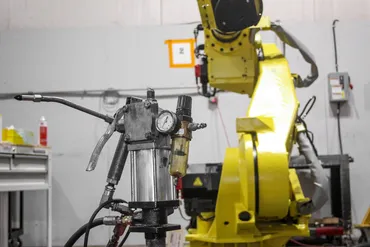
- Robotics Applications
How Temperature and Environment Affect Robot Grease Performance
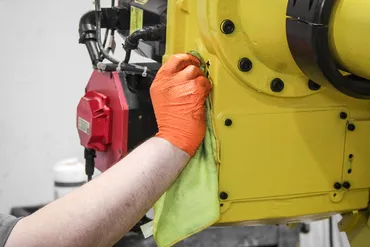
- Robotics Applications
Troubleshooting Robot Grease Issues, Leaks, and Hardening
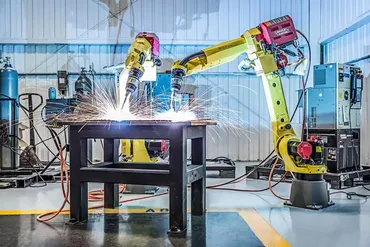
- Robotics Applications
Integrating Fanuc Robot Welding Solutions in Automotive Manufacturing
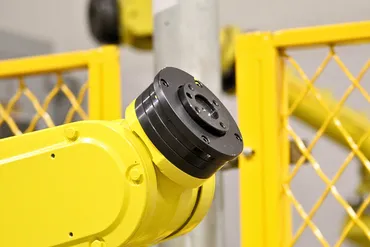
- Robotics Applications
Navigating the Challenges of Delicate Item Handling in Robotic Pick and Place
- Robotics Applications
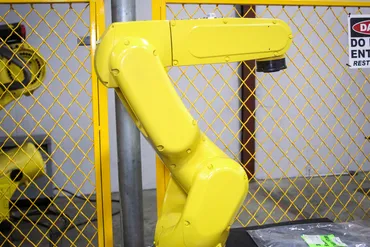
Mini Marvels: Maximizing Floor Space with Compact Refurbished Fanuc Robots
- Robotics Applications
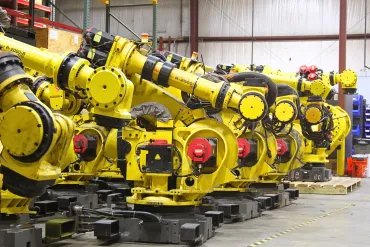
Revamp Renaissance: Revitalizing Your Assembly Line with Refurbished Fanuc Robots
Let's talk!
Request your quick quote today.