
How Preventative Maintenance Reduces Robot Downtime
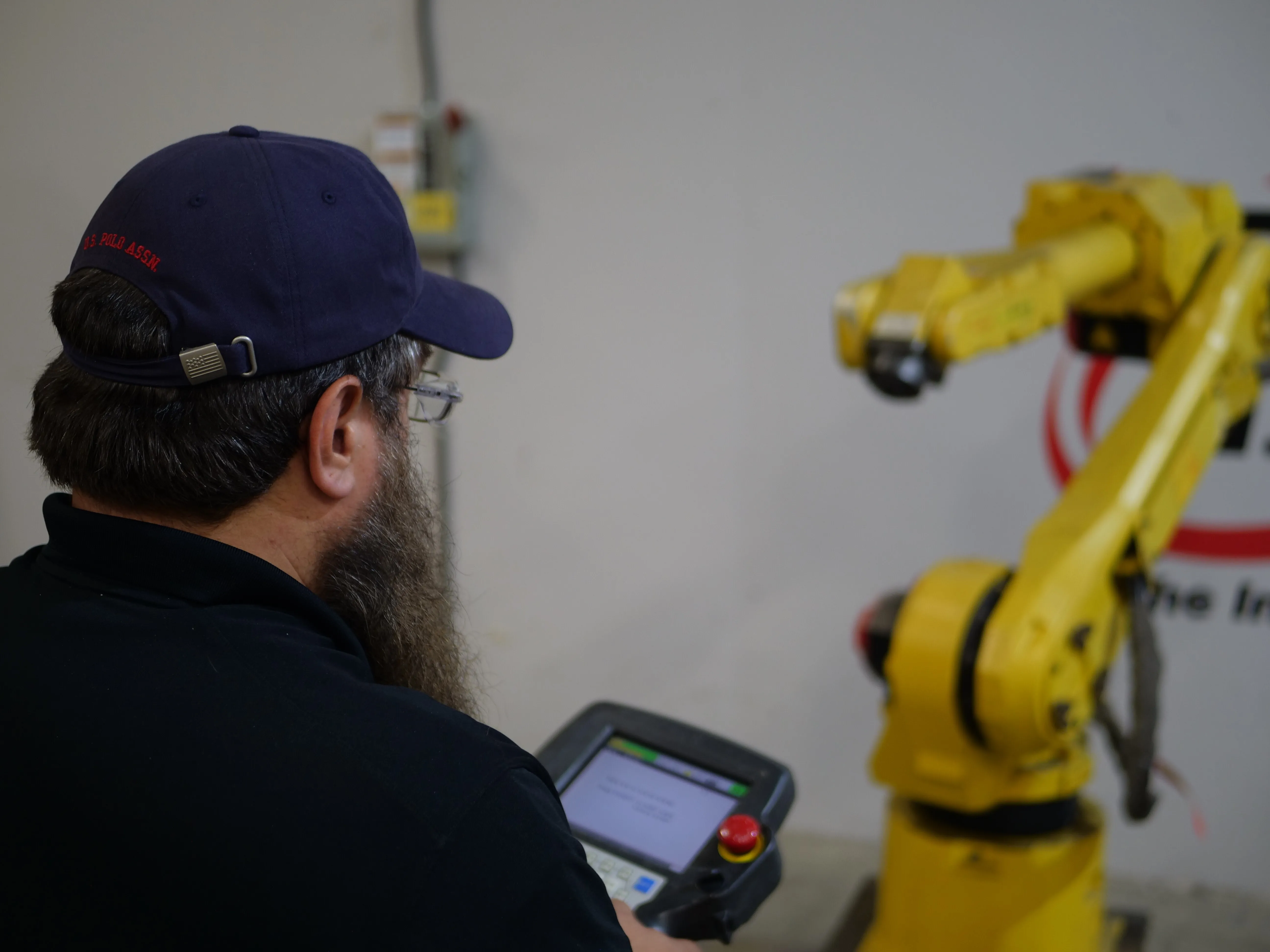
Unlock Maximum Uptime and Efficiency with Proactive Robot Care from Robots.com
In a high-speed, precision-driven manufacturing environment, even a few minutes of unexpected downtime can translate into missed deadlines, wasted materials, and spiraling operational costs. Robotic automation has become essential across numerous industries, but just like any complex machinery, industrial robots require consistent care to operate at their best.
One of the most powerful strategies for maintaining uptime, extending robot life, and avoiding costly breakdowns is preventative maintenance. For manufacturers looking to optimize productivity and keep their robots operating reliably for years, adopting a preventative maintenance routine is not just smart; it is always essential.
Let’s explore how preventative maintenance minimizes robot downtime, what steps it includes, and how Robots.com and T.I.E. Industrial can help your facility stay one step ahead of failure.
What Is Preventative Maintenance?
Preventative maintenance refers to scheduled proactive steps to maintain a machine before a problem occurs. Rather than waiting for a robot to fail and reacting, preventative maintenance aims to avoid that failure altogether through:
- Routine inspections
- Scheduled component replacements
- System updates
- Lubrication and cleaning
- Calibration and testing
These actions are planned based on robot usage hours, manufacturer guidelines, or performance data trends—allowing operators to detect early signs of wear, fatigue, or malfunction and correct them before a breakdown occurs.
The High Cost of Ignoring Robot Maintenance
When a robot stops working unexpectedly, the entire production line can grind to a halt. The impacts are wide-ranging:
- Loss of production time
- Missed shipping deadlines
- Costly emergency service fees
- Potential damage to tooling, parts, or products
- Increased pressure on other machinery or employees
Consider a palletizing application using a Motoman MPL100. A sudden servo motor failure in the wrist joint could halt the entire end-of-line process. If that robot is critical to packaging or shipping, downtime could impact distribution across the entire supply chain. Preventative maintenance can help you avoid that scenario entirely.
Early Problem Detection = Faster Recovery
Preventative maintenance enables early detection of faults before they snowball into failures. Common early warning signs include:
Symptom | Potential Cause | Preventative Solution |
Vibration during movement | Loose fasteners or misalignment | Routine mechanical inspections |
Jerky axis movement | Lubrication breakdown | Regular lubrication schedule |
Overheating | Clogged fans or worn bearings | Clean cooling systems and replace parts |
Error codes or axis drift | Sensor degradation | Periodic sensor calibration and diagnostics |
Noisy joints | Worn gears or bearings | Replace components at defined intervals |
In many cases, what begins as a small anomaly can, without intervention, result in complete servo failure, axis seizure, or controller crashes. Preventative maintenance ensures these problems are intercepted while still manageable—and inexpensive.
Key Elements of a Preventative Maintenance Program
Successful preventative maintenance goes beyond a checklist—it's a culture of consistency and care. Here’s what a comprehensive program includes:
1. Scheduled Mechanical Inspections
Inspecting all mechanical joints, belts, gears, bearings, and fasteners can catch wear and tear early. Keeping the wrist assembly in optimal condition prevents backlash and loss of precision.
2. Lubrication Intervals
Each robot brand has unique lubrication requirements. For example, FANUC’s LR Mate series requires specific grease types at routine intervals. Failure to lubricate can lead to excess friction, overheating, and component failure.
3. Electrical System Checks
Inspect cable harnesses, servo motor connectors, and I/O boards. Look for corrosion, insulation wear, and heat damage, especially in high-temperature environments.
4. Controller and Software Updates
Ensure your robot’s firmware, motion profiles, and safety software are up to date. Outdated software can cause unnecessary errors or limit performance.
5. Sensor Calibration
Vision systems, force sensors, and encoders need calibration to maintain accurate positioning. This is critical in pick-and-place applications like those run on the KUKA KR AGILUS.
6. Backup and Documentation
Always keep a digital backup of your robot's program, parameter settings, and operating logs. That way, recovery is faster in the case of a hard drive or controller failure.
The Proven Benefits of Preventative Maintenance
The ROI of preventative maintenance is not theoretical—it’s measurable and significant. Facilities that implement proactive maintenance consistently report:
- 50–75% reduction in unexpected downtime
- 25–30% extension of robot lifespan
- 20–40% savings in repair costs
- Improved production quality and consistency
Moreover, planned maintenance can be scheduled during low-demand hours, avoiding disrupting urgent, emergency repairs during peak production.
Industries That Can’t Afford Robot Downtime
Preventative maintenance is vital in virtually every sector that uses automation, but it’s especially critical in:
- Automotive (spot welding, assembly, painting)
- Electronics (PCB assembly, micro-positioning)
- Medical Device Manufacturing (sterile, high-precision tasks)
- Food and Beverage (pick, pack, and palletizing)
- Aerospace (material handling and drilling)
- Metals and Fabrication (laser cutting, welding, grinding)
Each of these industries depends on accuracy, speed, and uninterrupted cycles. Preventative maintenance ensures those standards are continuously met.
Robots.com: Your Partner in Proactive Robot Care
At Robots.com, a division of T.I.E. Industrial, we don’t just sell refurbished robots and parts—we support your automation success from installation to optimization. Our services are designed for uptime, performance, and peace of mind:
- Refurbished industrial robots from FANUC, ABB, KUKA, and Motoman
- Replacement parts, including servos, drives, gears, wrist assemblies, sensors, and controllers
- Customized preventative maintenance plans
- On-site or remote diagnostic support
- OEM-level knowledge with cost-effective solutions
Whether you need a full PM overhaul on your FANUC R-2000iB, parts for your ABB IRB 2600, or just expert advice, Robots.com is your one-stop source for keeping your robotics investment running stronger, longer.
Take Control of Downtime Before It Takes Control of You
Unplanned failures are expensive. They eat away at productivity, morale, and your bottom line. But with a strategic, well-executed preventative maintenance program—backed by the expertise and inventory of Robots.com—you can keep your operation running with confidence.
Don’t wait for breakdowns. Beat them to the punch. Explore our preventative maintenance services, request a parts quote, or consult with our robot specialists today.
Visit Robots.com or call our team now to start building your maintenance strategy.
Maximum uptime starts here—with Robots.com.
Have any questions? Let's Get in touch!
Related Articles
You might be also interested in:
- Robotics Applications
- Featured
Latest Advancements in Material Cutting Robotics
Read about the latest technological advancements in robotic material cutting.
- Innovation & Trends
- Featured
Emerging 3D Vision Technologies for Industrial Robots
Learn about the emerging 3D vision technology that businesses are using for industrial robot applications.

- Innovation & Trends
- Featured
Most Popular Industrial Robotic Applications for 2021 and Projections
Explore the most popular application trends of 2021 and what to expect in the future.
- Robotics Applications
- Featured
MAG Welding Defined
Automating your MAG welding process will help to bring faster and more consistent cycle times. A robotic MAG welder will also help to improve the weld quality, helping your customer's become more satisfied with the final product. If you are interested in integrating a new or refurbished robotic system, contact Robots.com experts today.
- Manufacturers
- Featured
AccuFast II Tackles Seams Quickly and with Quality
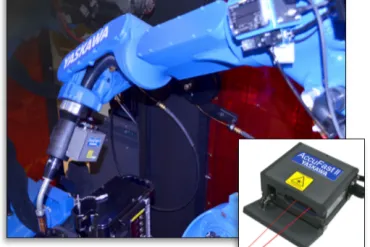
Motoman provides users with add-on features to help enhance the seam finding for their automated welding line. AccuFast II offers improved sensor capabilities that provide even higher amounts of reliability. It provides more readings for a wider range of materials and angles not formerly feasible.
- Robotics Applications
- Featured
Flexible Manufacturing Lines
Each year the automation industry continues to innovate and bring solutions that will improve the productivity, flexibility, and efficiency on a wide range of production lines. This is seen with the flexible manufacturing that enables a robot to work on different types of products in the same workcell. Flexible manufacturing lines help to provide an increase in productivity and manufacturing volume.