
- Technical Components
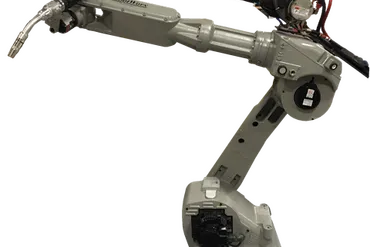
The inner workings of the Motoman UP20 Robot
Motoman's UP20 robot is a complex robot made of several parts including the wrist assembly, timing belts, speed reducers for each axis, internal wiring, and servo motors. All of the parts of the UP-20 that work together toward the same goal and help bring an increase of productivity to your production line.
- Technical Components
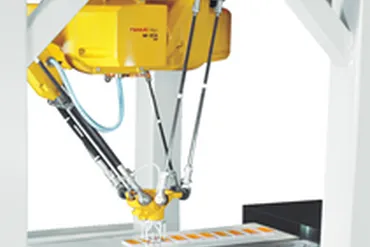
Doubling Up: Parallel Robots
Parallel robots have lightweight arms between a fixed base and move-able part. Parallel robots are different than serial robots as each arm is controlled by its own motor; the coordination of movements occurs through a computer. All of the attributes of a parallel robot help to create a rigid arm with fast cycle times.
- Technical Components
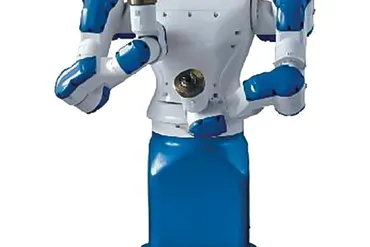
Visual Servo Robots with two hands – dual-armed robots that “see”
Visual servo-ing offers robotic sight to improve a robot's accuracy and performance in the workplace. The robot is programmed to interact with a certain item using a camera and specific sensors. This robot, using the visual servos, can really improve a production line's performance.
- Technical Components
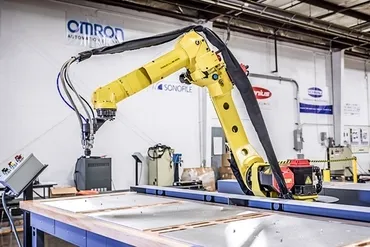
Servo Driven Robots: Precision Through Advanced Motion
Servo-driven robots can control motion better and increase the production process. the servo-drive can get specific commands, increasing the speed and direct force of movement. This enables a a better, more precise product to be produced.
- Technical Components
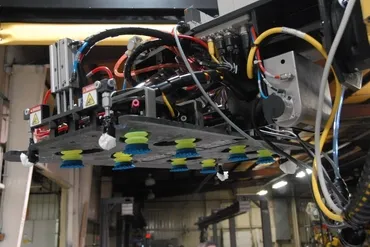
Robotic servo-motors – allowing robots to grip for decades
Production lines can benefit from integrating a servo-motor robot onto their production line. They offer a high-rate of repetition and can maintain incredible precision. Servo-motor robots are also able to bring higher standards of speedy, accuracy, and prevent a better product.
- Technical Components
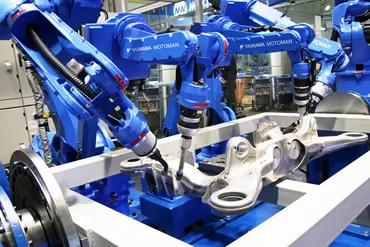
The advantages of switching from pneumatic to servo actuators
Switching from pneumatic to servo actuators provides some advantages. A pneumatic actuator has a long service life with proper maintenance, delivering two to three times the amount of welds over a lifetime. Servo actuators cuts down on maintenance costs and improves the cycle time.
- Technical Components
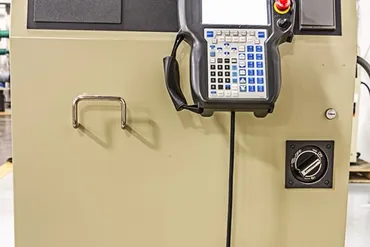
Guide to Programmable Logic Controllers (PLC) in Robotics
The computer behind the robots performance is the Programmable Logic Controllers (PLCs). PLCS are able to control the robots and help them do their job at very specific times and points in the production process. PLCs help robots accomplish a quality product and keep the production line going.
- Technical Components
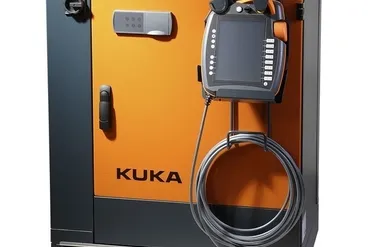
The “Intelligent” Controller – the new KUKA KR C4 Controllers
The KUKA KR C4 controller brings power, intelligence, safety, and versatility to the automation game. The KR C4 is very simple to use, maintain, and control, enabling an easier set up time for the robotic systems.
- Technical Components
Sizing Up Robotic Arm Controllers
Robotic companies offer their individual controllers, many with two main sizes: a full-size and compact system. The robotic arm controllers are large computers that feed programmed code from the teach pendant to the robot, allowing the robot to interact with the environment.
- Technical Components
Robot Equipment Maintenance
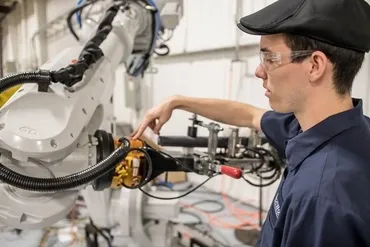
Preventative maintenance on your robotic system will help to extend the overall lifespan and keep things running smoothly overtime. This will also help to reduce your downtime and keep your production line online for longer.