
- Safety & Regulations
Examples of Robotics
There is such a wide range of robotics available today that it is easy to find the perfect one for any production line. Industrial robots are able to help increase productivity, increase worker safety, and provide a more quality and consistent product.
- General Robotics Information
How To Specify the Right Industrial Robot
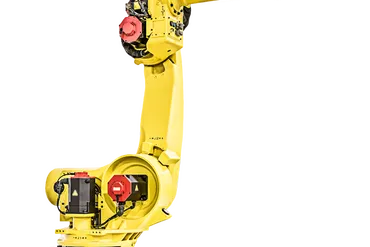
When you decide to automate your process with an industrial robot, it is important to consider all of the options and specifications of each robot. Different robot arms are designed for a multitude of purposes, so contact Robots.com representatives today to discuss all of your options and narrow down the perfect robot for your production line.
- Manufacturers
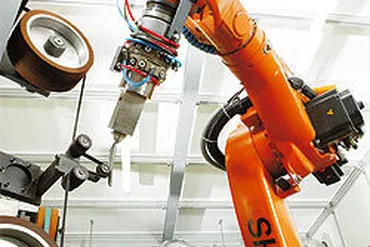
Kuka and Robotic Milling
KUKA created one of the first 6 axes robots and is now one of the leading producers of industrial robots. They continue to innovate and create products that are cutting edge.
- Safety & Regulations
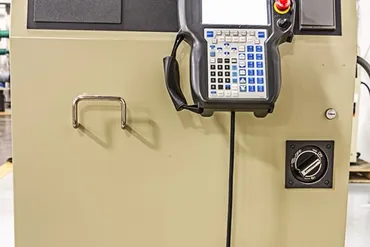
Remote-Control Production
For industrial robots, the remote control offers a very effective way to help quickly program and complete automation tasks. The remote control for robots contains the software require for robot intelligence; this enables them to complete difficult tasks and interactions in a variety of environments.
- Innovation & Trends
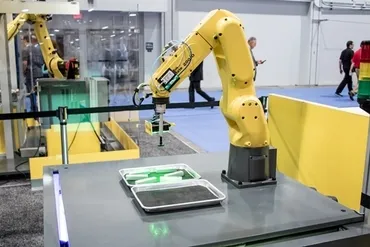
Expectations of Automation
The future of automation is limitless with the quickly advancing technologies we are seeing today. The growth of automation has taken off and led to even higher expectations for what is to come; it will be exciting to see what the future of automation holds.
- Industry Solutions
Automation Of Glass Manufacturing
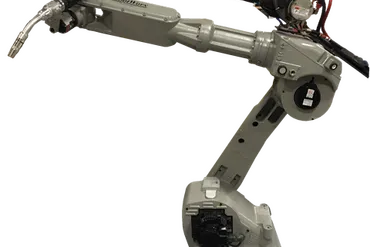
Glass manufacturing can be improved by automation with industrial robots. There are a variety of robots that can meet your specific needs for glass automation, so be sure to contact Robots.com representatives today.

- Robotics Applications
The How-To’s of Building End-Of-Arm Tooling
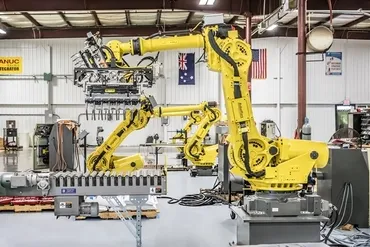
The robotic end of arm tooling helps a robot perform a very specific purpose for an application's needs. It is important to design and build the correct EOAT to produce the highest quality product outcome on your production line.
- Industry Solutions
Issues in Manufacturing
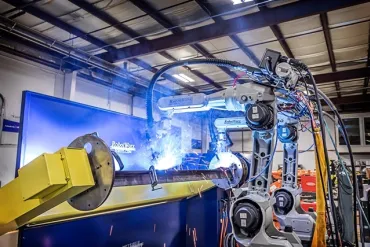
Industrial robots have been able to increase the productivity and efficiency of a variety of application's production lines. However, it does not come without issues or challenges while things are being integrated and ironed out. It is important to understand their are growing pains that will soon resolve and be worth it in the end.
- Industry Solutions
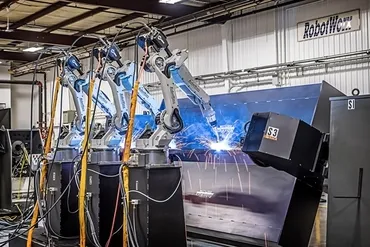
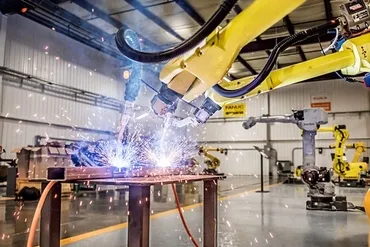
Welding Robots Improve Automotive Parts
It is imperative that automotive parts receive the utmost consistency and precision when being made on the production line. Welding robots are able to offer both of those things and more; they have been able to increase the safety, efficiency, and cost effectiveness of a automotive part production line.
- Robotics Applications
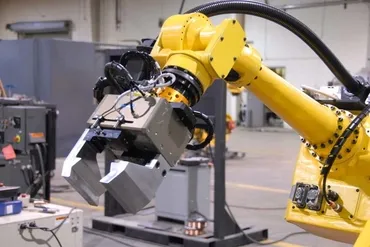
Selecting End of Arm Tooling
End of Arm Tooling is also called an end effector. This part of the robot can be customized for the specific application's needs in order to boost productivity and efficiency.
- Industry Solutions
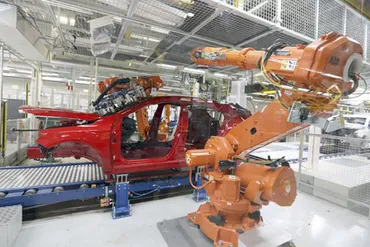
Cars Made of Aluminum
The automobile industry is hugely reliant on industrial robots as they are strong, powerful, and able to increase the value of the production line. Robots are able to produce a very precise and consistent product for less money.
- Manufacturers
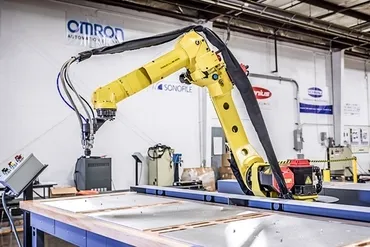
Understanding Robot Inverse Kinematics and Path Planning
Robot kinematics helps to achieve specific end effector positions by calculating the joint parameters. The branch of study focuses on the motion of objects without reference to forces that cause the movement, helping to improve the overall motion and process.