
- Industry Solutions
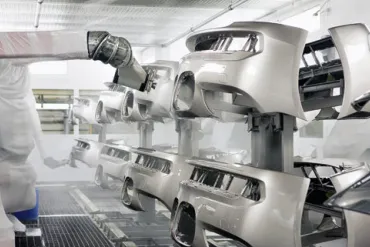
The Benefits of Coating Robots
Painting and coating robots are quickly advancing with new technologies and becoming more effective on the production line, all at reduced costs. Coating robots help a business stay competitive and bring incredible quality to the production line. Coating robots also help to increase the safety in the work place and decrease the environmental impact.
- Industry Solutions
Newest FlexPainter Robot Increases Acceleration
The IRB 5500 FlexPainter helps to add acceleration and painting speed to your production line. The FlexPainter robots are lightweight, compact, and able to add versatility with different color change valves, 2K mixers, and paint regulators and pumps. A high finish quality is guaranteed with the integration of a FlexPainter on your line.
- Industry Solutions
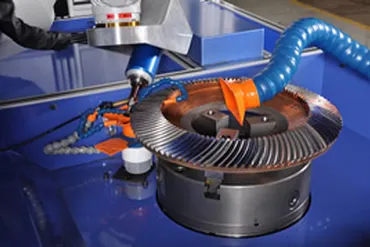
KUKA removal robots get rid of edges for plastics industry
KUKA's material removal robots help to remove the edges in the plastic industry. The removal robots from KUKA are very versatile and can help with deburring, drilling, cutting, or any other end of arm tooling necessary.
- Industry Solutions
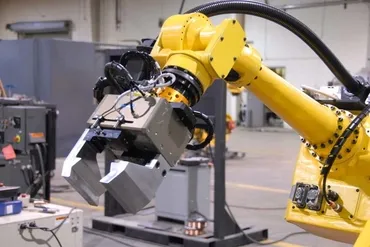
Six-axis robots improving the plastics industry
Six-axis robots help to increase the effectiveness on the plastic product production line. Six-axis robots are flexible and can handle objects with as much or as little force as necessary. These industrial robots can also be programmed to handle small or large products, while also being re-tasked when necessary.
- Industry Solutions
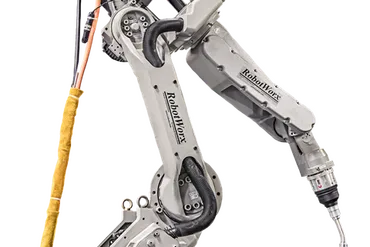
Robots remove the need for companies to outsource their factories
Industrial robots reduce the requirements for companies to outsource their factories for cheaper work. They can save money through reduced facility and labor costs by integrating an industrial robot on their production line. The increased advancements in technology help to reduce the overall costs of industrial robots for businesses large and small.
- Industry Solutions
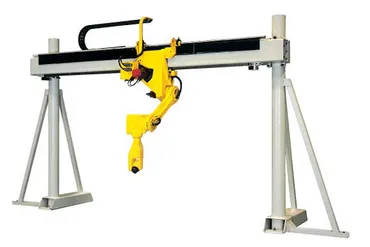
Lockheed Martin using robot painting simulation
Painting robots have been doing a fantastic job of completing painting jobs for the automotive industry. Paint simulators on industrial robot lines are doing an even greater job in helping with the painting process. This is evidence in the fact that Lockheed martin began automating their paint process by painting the F-35 Lightning II jets.
- Industry Solutions
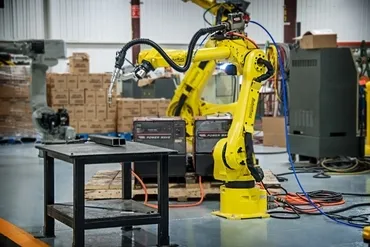
Speed and Accuracy – The benefits of painting automation for Boeing
Painting robots bring lots of benefits to the production line including speed and accuracy. When painting production lines integrate automation, users can expect decreased production costs while also increasing the product quality.
- Industry Solutions
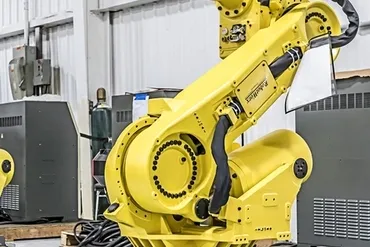
Factory Robot Applications Help Build the Aerospace Industry
Factory robots are helping the aerospace industry by tackling drilling. Factory robots are perfect for this task, they offer precision and the ability to cut cycle times. Factory robots also help to increase the consistency and overall productivity.
- Industry Solutions
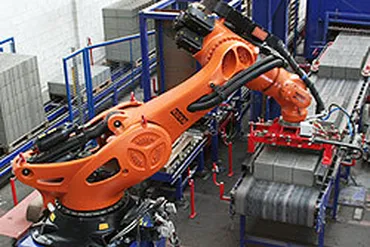
Innovations in Construction Robots
Technology's advancements are creating a wide range of innovations in the construction robot industry. Whether it is I-beams or insulation, construction robots help to advance the production process across the globe.
- Industry Solutions
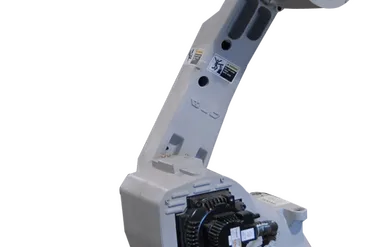
Injection Molding Machine Tending Robots
Machine tending robots that tend to injection molding machines help to ensure that the machine is functioning properly. The machine tending robots help to increase the worker safety for injection molding machine environments and also increase the speed and accuracy of the final product.
- Industry Solutions
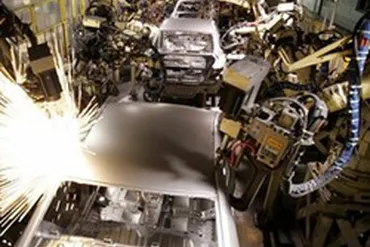
Automotive Industry Bolsters New Robot Sales
Automotive production lines are some of the top purchasers of industrial robots as they require heavy duty lifters that can work tirelessly with amazing quality. Automation on the automotive production line also brings speed, precision, and increased safety to the work environment.
- Industry Solutions
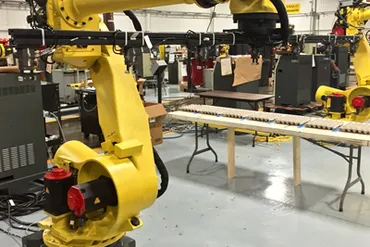
Handling what America eats: grippers in the food industry
The food industry embraces industrial robots on their production lines. Automated food handling production lines use specific grippers, such as claw and vacuum grippers, to successfully complete the tasks necessary. These robots bring faster speeds and greater efficiency to the food handling manufacturing lines.